
Troubleshooting Litter Box Issues
Why Your Cat Isn’t Using the Litter Box: Common Causes and Solutions
Learn why cats stop using the litter box and get practical tips to help your cat return to good habits.
This troubleshooting guide can help determine why your cat may not be using their litter box appropriately so that you can identify what steps to take.
Common causes for inappropriate elimination include:
- Pain during urination or defecation
- Underlying medical issue
- Cat is unhappy with current litter box setup
- Cat is unhappy or stressed due to other environmental factors
START HERE
Is your cat peeing outside the litter box, pooping outside the box, or both?
Answering this question is the first step to figuring out the cause of their inappropriate elimination. Cats who are unhappy with the box/litter itself or other environmental factors will fail to use the box for both eliminations. Cats with pain or discomfort due to a medical issue may only fail to use the box for one or the other
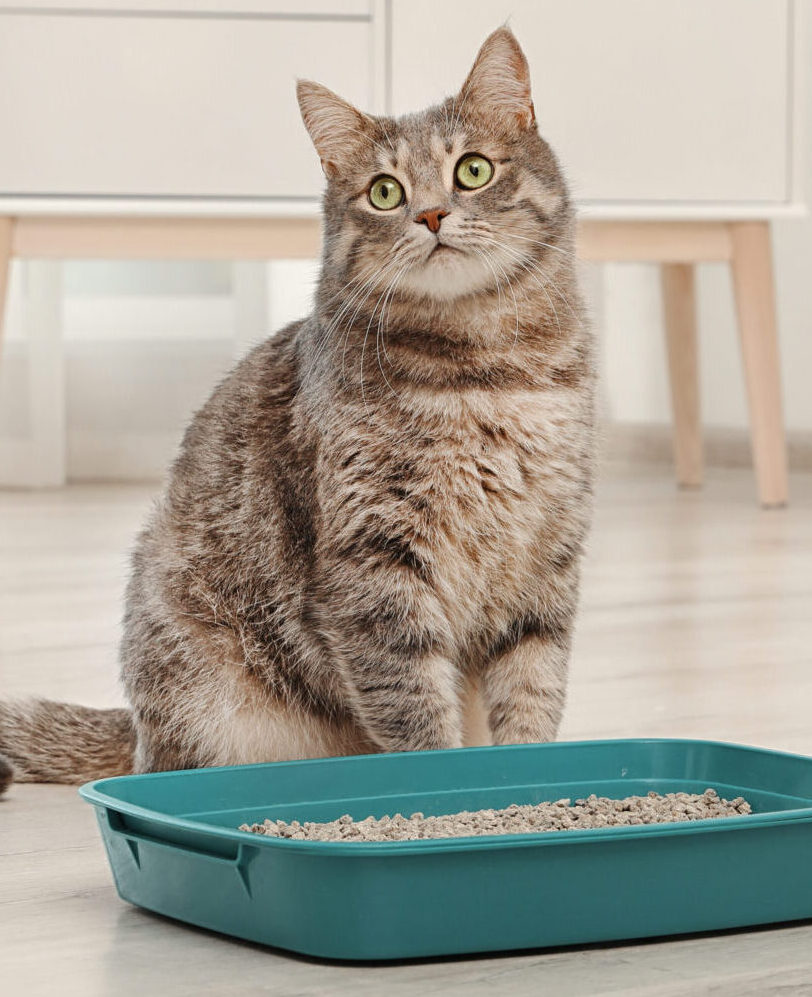
ENVIRONMENTAL CAUSES
1. Do you have enough litter boxes in the house, and are they clean enough?
The best rule of thumb is to have a litter box for each cat in your household, plus one more. For example, you would need 5 boxes for a 4-cat household.
Litter boxes should be spaced throughout the house (not all in one room).
Boxes should be scooped at least once daily and fully cleaned (with litter replaced) at least every other week. Think of it this way — would you use a toilet that had not been flushed all day?
2. Are your litter boxes the right size for each of your cats to use comfortably?
Traditional litter boxes are too small for most cats. The litter box should be at least 1.5 times the length of your cat. Larger litter boxes also make it easier for cats to bury their waste, and they do not fill up as quickly during the day.
Litter boxes with high walls can also help prevent your cat from accidentally going over the edge—but make sure there's a side with a short enough entrance for your cat to hop inside!
3. Have there been any major changes around your house?
Cats can become stressed by change, and stress often leads to changes in litter box habits.
New pets (cats or dogs): The litter box should be located where dogs cannot access it. Cats need privacy! And if you have added a cat, be sure you have enough boxes in different locations and that the boxes are cleaned regularly.
New person (or someone left): If there's been a change in household members, consider trying Feliway diffusers, which release “happy cat pheromones” into the living space to help keep cats calm and stress-free. (They smell nice to humans, too!)
MEDICAL CAUSES
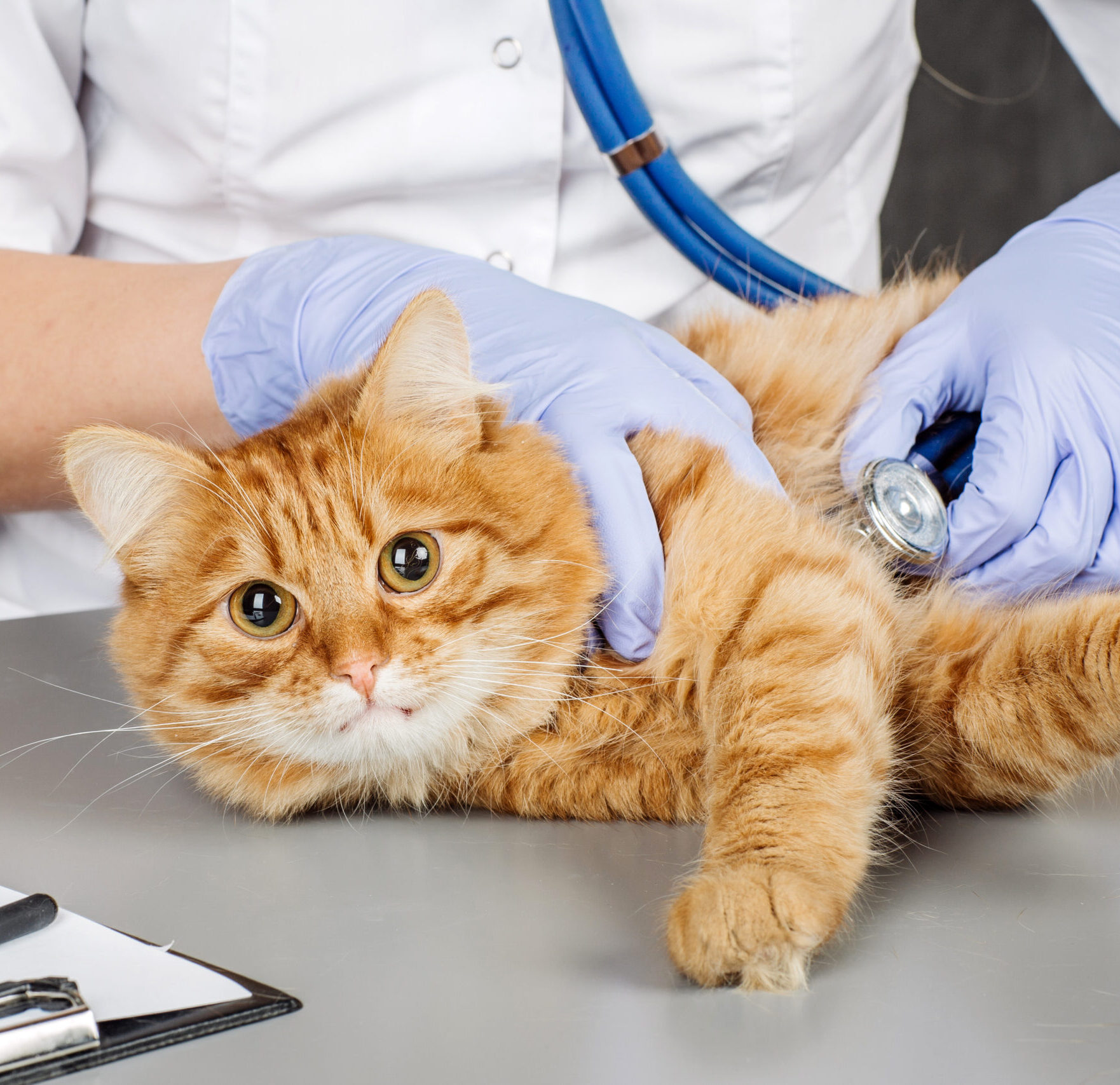
If your cat is only peeing or pooping outside of the box, the first step should be a veterinary exam.
When a cat is only going outside of the box for one type of elimination, the cause is most likely pain/discomfort or an underlying medical issue.
Peeing outside of the litter box may indicate:
— Kidney issues
— Thyroid issues
— Diabetes
— Urinary infection (not common in cats but can occur)
Pooping outside of the litter box may indicate:
— Constipation from kidney issues
— Diarrhea from stress colitis
— Arthritis, making it difficult to get to and use the litter box without pain
Speak to your veterinarian about your concerns so they can help determine a course of treatment or prescribe stress management medication to get your cat healthy and happy again.
HELPFUL TIPS
Of course, every cat is different. But using this troubleshooting guide to identify the most likely causes for your cat’s inappropriate elimination can help stop the issue and also ensure your cat is healthy and happy.
As you take the steps recommended above, you may also want to do the following for best results:
— Use an enzyme-based cleaner on any areas where your cat has previously peed or pooped. We recommend Nature’s Miracle for removing urine/fecal stains and odors from carpets, rugs, and other soft materials. Eliminating the odors will help prevent your cat from confusing those areas as “accepted” potty spots and keep their bathroom business in the box where it belongs.
— If these issues coincided with a change in litter box type or cat litter brand, consider switching back to what was used before. Some cats will reject new litter or litter boxes and may return to using their box appropriately when they have access to the setup they are most familiar with.
— Sometimes simpler boxes are better. Some cats will reject 360-rolling, mechanical “self-cleaning”, or other covered boxes. Covered or rotating boxes may hold too strong a smell for the cat’s comfort, and the mechanical sounds of self-cleaning boxes may frighten cats away.
— Prevent negative associations with the litter box. Never scare a cat while they’re using their box! Their litter box is their safe space, and kids or other pets may frighten them away from feeling comfortable with the vulnerability of going to the bathroom.
NEED MORE HELP?
Contact our Pet Helpline using the button below—or call (919) 772-2326 opt 5. We're here to help!